Morningstar Indexes and Morningstar Sustainalytics recently published the Asset Owner Perspectives Survey 2026 report (formerly the Voice of the Asset Owner Survey). Now in its fifth year, the qualitative phase of the survey gathered insights from asset owners through a series of in-depth interviews.
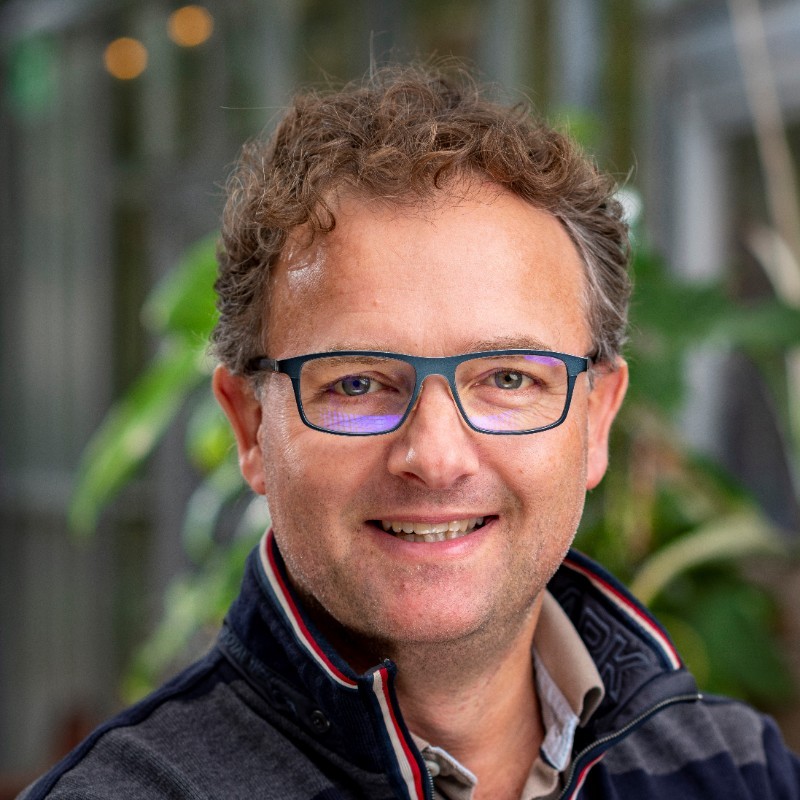
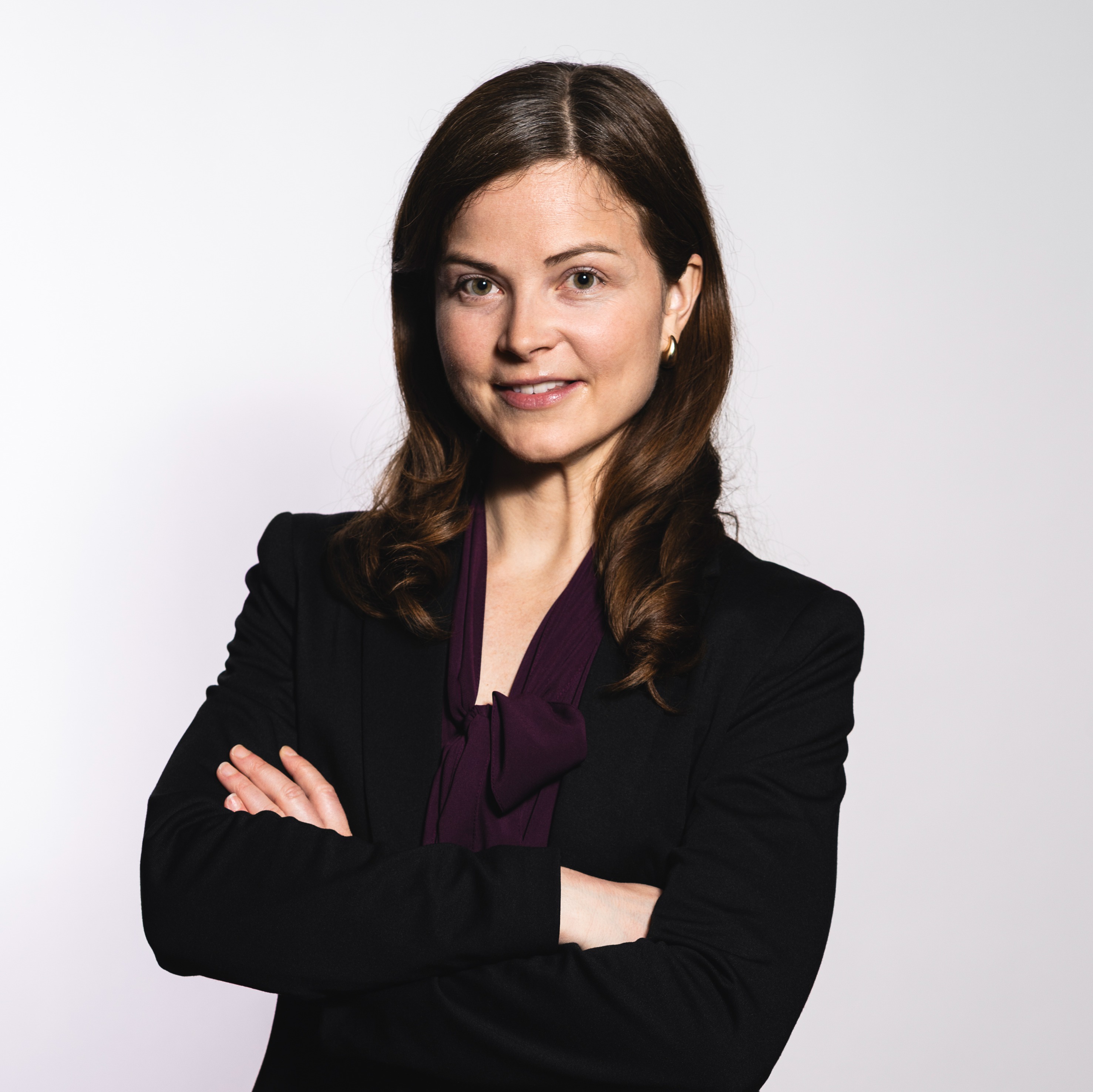
In this Q&A, we spoke with Maggie Stafford, Director of Product Management, Indexes, and Arnold Gast, Senior Director, ESG Sector Research, Sustainalytics, who were both part of the advisory committee governing the survey. The discussion explored the observations from this portion of the survey, with a focus on the important role that asset owners continue to play in climate investing, especially in the context of recent geopolitical developments, energy security concerns, and shifting industry priorities.
Sustainalytics: For the first part of the Asset Owner Perspectives survey, we conducted interviews with asset owners from around the world. Have there been any changes in the topics that they highlighted as important since the first iteration of the survey five years ago? Let’s start with you Arnold, since you’ve been directly involved with the survey for the past several years.
Arnold Gast: Well, five years ago this survey was very much focused on sustainability. And I think what you see in the last two years specifically, is that indeed geopolitical developments have become much more top of mind. And that makes sense as we’ve moved from a much more geopolitically stable environment into a less stable geopolitical environment. So, it's a natural evolution.
Maggie Stafford: I would add that we're obviously still talking about ESG (environmental, social and governance factors), its materiality, and the evolution of its role in the investment process. But the actual conversation about that has changed quite a lot. There's a lot more specificity around the kinds of topics and issues that are top of mind. For example, energy transition; focusing on companies and the credibility of their transition and their actions; their capex and what they're actually doing, especially in high emitting sectors. There’s also a lot about biodiversity and nature loss, with specificity around the impacts and dependencies that asset owners are looking at, which I don't think was part of the conversation to such a degree back when we started the survey.
Also top of mind were topics related to the kinds of sustainability issues embedded into overall asset class considerations and the new complexities that are cropping up within that, like private markets and the overall lack of transparency in private markets, particularly around ESG issues.
Another challenge is transparency around exposure to artificial intelligence (AI), but also AI's use within asset owners’ own organizations, and how they solve sustainability challenges, right? For instance, if an asset owner is not getting something from the providers that they're working with, they may leverage these new AI-enabled capabilities to try to solve the issues themselves.
AG: Maggie's excellent comments made me think about the role of regulation. I think regulation was historically cited as one of the drivers for sustainable investing, especially around the need for data. And as Maggie shared, the drive to get more “real.” So, not portfolio decarbonization, but instead real world decarbonization, which also speaks to private markets. And that, again, feeds into the need for more specific data and data challenges. So, for asset owners, sustainable investing is much less about complying with regulations and more about their own interests and strategies to invest in decarbonization, for instance.
SUST: And in our conversations with asset owners, did you notice any shifts in sentiments around climate investing specifically? Is the regional divide that historically existed between US and European asset owners still there? Or is it closing, or is it widening?
AG: I think we've seen it widening over the last few years, to be honest. When you look at the various initiatives and whether people subscribe to those initiatives, we've seen some of the coalitions being dropped, specifically by US asset managers. I think US commercial asset managers specifically have become more cautious and vocal. This was reflected in reduced participation in voluntary industry groups and net zero coalitions, but we find the asset owners still pursuing their sustainable investment strategies.
MS: We see a more cautious approach among some asset owners, but also an acknowledgement that they're still chipping away at the priorities that have been there – they just may not be talking about it.
You still see European asset owners taking a leadership role in this space. But it seems to be a little less so among US asset owners, based on the way that they described how they think about themselves and what they do.
I also found it interesting that some asset owners noted that historically there was a lot of talk without equivalent action happening on sustainability, and how that's not the case anymore. So, some of this correction is not 100% negative. There's just more pragmatism and realism about what's being done. And those that weren't really doing anything in the first place, they're also not talking about this.
AG: It’s true. We’ve seen this in our data as well, right? Managers’ voting behaviors on behalf of their funds and funds under management are better aligned with their stated commitments.
SUST: So, better alignment between what managers and owners are saying and what they’re doing?
AG: Well, let's also be honest, there was the risk of greenwashing, as seen in some high-profile cases. There was a commercial incentive for managers to be viewed as sustainably focused, which influenced how much ESG was emphasized. But then, there was also a legal risk. And to that point, we've seen the number of funds launched in this space slowing down, and we’ve only recently noted a pickup for the first time in a few quarters.
SUST: The focus on ESG, sustainability and climate is waning in some regions more than others, but the need for investment and asset allocation is not. Why do you think asset owners are still important in countering this shift?
AG: One could argue that they've become even more important since governments, and all the regulations and government initiatives, are now focused on other things. I know that at some point, investors were also pointing more to government action around the climate transition because, obviously, it is really difficult as an asset owner to impact or accelerate the global climate transition without a supporting policy and regulatory environment.
But I think they still have that fiduciary responsibility for their long-term investment. If I look at how ABP talks about their participants receiving a pension in a livable world, that is also driving – on a 30-, 40-year horizon – their investment strategy.
MS: Building from that, I think it’s important whenever we’re talking about this cohort of investors, to reinforce that they do occupy a unique position because of the size of the assets that they have, and their time horizon. They need to be cautious and deliberate and consider these very long-term risks. And they must do so, in what could be argued, is a much more complex environment, where there are other, more short-term risks that they need to balance. This is opposed to other segments of the financial ecosystem, like asset managers, who may be more fast-moving and chasing the next wave because of their commercial priorities. Their priorities are different.
Additionally, we know that asset owners have the influence to engage with their investee companies, but there is also more policy and macro-level engagement in the work that they do, which I think is important.
SUST: The survey also notes that asset owners are evolving their strategies as markets shift focus. For instance, there's growing activity around private markets as well as high profile companies that are due to IPO – or have already IPOed. So, are we seeing a growing appetite for private market strategies among asset owners and, if so, why?
AG: The short answer based on the survey is yes. I think there are multiple angles to it. One is that asset owners have started investing more in real assets, private assets – let's say the real-world economy, if you like – for multiple reasons. Some are indeed driving an energy transition strategy, by financing wind farms, for instance.
Another angle has to do with inflation. Investing in the real world could also be beneficial in matching the inflation needs of their plan participants. In general, I think we've seen private markets delivering true diversification, and from that perspective, simply better optimized portfolio returns.
MS: Something else that came up was a more country-specific angle around this. For example, in the UK, there are regulatory requirements, like the Mansion House reforms, that mandate private markets allocations. But on the diversification angle, for a lot of these asset owners, they have specific requirements for investment in their home country, and that might be specific to certain industries that they then need to diversify away from in other areas of the portfolio. So, I think that's one consideration.
From a passive investment perspective, and with respect to these companies that are due to IPO and enter the public indexes this year, that has implications for any asset owner with a passive allocation, especially given their US market exposure. So, for asset owners there’s a concentration of specific risks, including ESG risks, within the technology sector, as well as considerations for the unique governance circumstances that some of these companies have. Those are things that did come up in the survey and are things that we're hearing a lot about from clients.
SUST: Thanks so much Maggie and Arnold for sharing your thoughts. To wrap up, it generally seems that asset owners remain committed to sustainability. What are some of the reasons they gave for why they continue to invest?
MS: Most of the asset owners we interviewed talked about it as part of their fiduciary duty to manage these long-term risks to the portfolio. These could materialize from being economic risks to genuine financial risks, whether they’re looking at credit quality or portfolio value. Also, they stated that they have beneficiaries who demand this – they've set targets, and they're expected to execute on those targets, so that's driving what they do.
This interview has been edited for clarity and brevity.
.tmb-thumbnl_rc.png?Culture=en&sfvrsn=a680a273_1 "2026_SUS_Blog_Exploration_V5_SIP_Resource_Center_Sans_Type (1)")